How to Get Parents Involved in Your School Community

Let's talk parental involvement in schools. Thriving school communities benefit from strong family-school partnerships that include a combination of parent feedback, family appreciation, volunteering, fundraising, and attending events.
Schools with strong parental involvement often see improved academic outcomes, better school culture, and higher retention rates. Yet many schools face the same frustrating reality: only a small percentage of parents regularly participate. Increasing parent involvement is not about adding more events to the calendar. It requires building a thoughtful, feedback-driven approach that makes participation accessible, visible, and worthwhile for families.
Start With Parent Feedback
The most effective way to strengthen parental involvement in school is to begin by listening. Too often, volunteer programs are designed around assumptions about what parents want or what administrators think families can contribute. Instead, schools should intentionally gather parent feedback at the beginning of the year and continue doing so throughout it.
Simple surveys can reveal what types of opportunities interest parents, what days and times are realistic for them, what skills they can offer, and what barriers prevent participation. Providing an option for anonymous responses often results in more honest and helpful feedback.
Listening, however, is only the first step. Parent volunteers need to see that their feedback leads to action. When schools adjust event timing, introduce new volunteer roles, or simplify processes based on parent input, they build trust. Ongoing feedback loops such as post-event reflections, mid-year engagement surveys, or small advisory discussions help ensure that parent involvement evolves alongside the needs of the community.
Define What Parent Involvement Looks Like
Start by defining what parent involvement currently looks like at your school, and where you want it to be. Then, expand your definition to find new and creative ways to include families and meet parents where they're at.
How to take advantage of strengths and schedules:
Learn more about your parents' skills and strengths by creating a parent volunteer profile
Survey parents to learn about their school volunteering interests and schedules
Create a variety of volunteer opportunities beyond school-day events
Prioritize remote volunteer opportunities for parents with workday schedule conflicts
Offer family-friendly volunteer opportunities where parents can bring their younger children
Some parents may prefer helping in classrooms, supporting events, or assisting with supervision during school activities. Others may bring professional expertise in areas such as marketing, technology, photography, grant writing, or communications. Still others may need remote or at-home options, such as preparing materials, assisting with administrative tasks, or supporting fundraising outreach from a distance.
By broadening parent volunteer opportunities, schools send a clear message: there is more than one way to contribute to the community. This inclusive mindset increases the likelihood that more families will find a way to get involved that works for them.
Remove Barriers to Participation
Low parental involvement in school is rarely caused by a lack of interest. In fact, more often than not parents want a sense of community with other parents and want to feel included in the school community. However, parent involvement can be limited due to logistical barriers. Work schedules, childcare responsibilities, transportation challenges, and unclear communication can all affect participation.
Schools that make an effort to remove these obstacles to parent involvement will see participation increase. Offering shorter volunteer shifts, evening or weekend options, and flexible sign-up windows makes involvement more manageable. Clear, centralized communication about opportunities and expectations reduces confusion. When families know exactly how to get involved and whom to contact with questions, participation feels less intimidating.
Accessibility also plays a crucial role in equitable parent involvement. Providing translation services when needed, offering childcare during meetings, and creating a welcoming onboarding process can make a significant difference. When schools demonstrate that every family’s presence is valued, parental involvement in school becomes more inclusive and representative of the broader community.

Make Parent Involvement Visible and Measurable
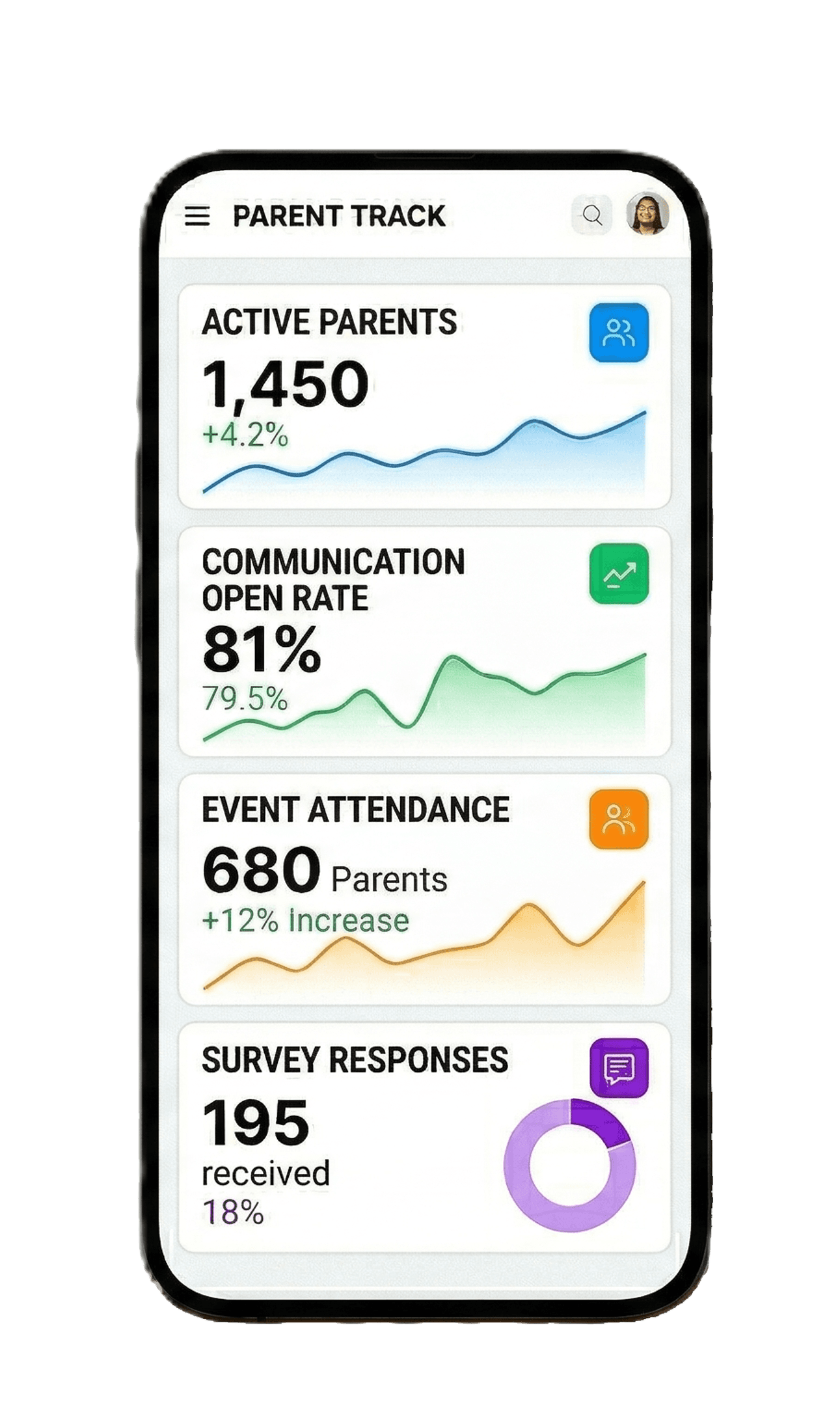
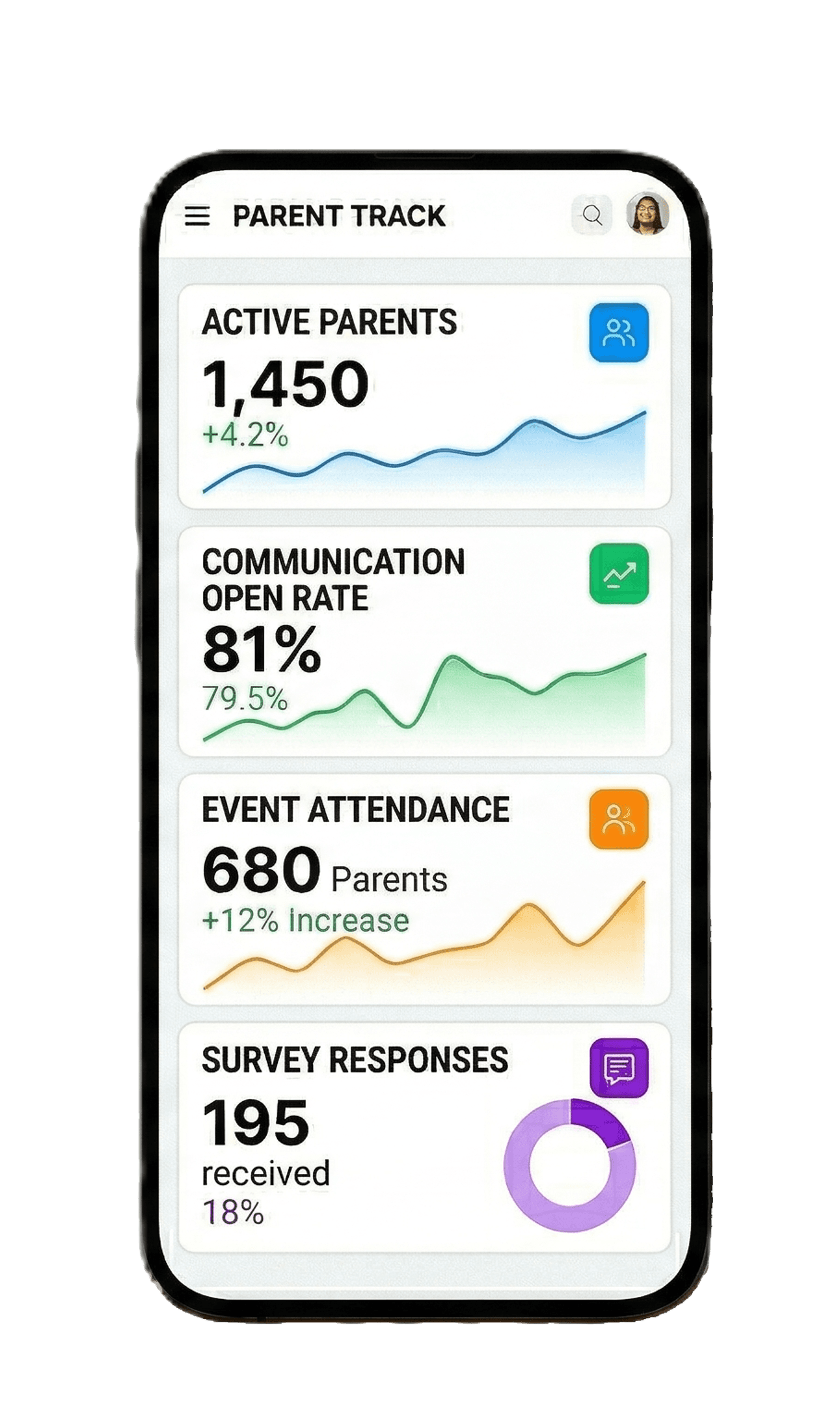
Visibility is an often-overlooked driver of sustained engagement. When parent involvement is tracked and shared transparently, it reinforces its value. Monitoring volunteer hours, participation rates, and engagement trends helps schools identify strengths and gaps.
If your school has required volunteer hours, or parental involvement program (PiP) hours, consistent tracking is key. By tracking parent engagement in a centralized system, school admins can quickly see who has met volunteer hour requirements and who may be falling behind.
Yet even in schools without formal requirements, understanding parental involvement data allows administrators to make informed decisions about where to focus outreach efforts.
Don't forget to share the success! Whether it's a weekly newsletter or a post to the parent involvement page, celebrate the impact parents have on the school community. When families can see the collective impact of their contributions, whether through total volunteer hours or successful event updates, they are more likely to remain involved.
How to Celebrate Parental Involvement
Host a thank-you breakfast or dinner event for parents
Have the principal write thank-you notes for families
Write a shout-out in a parent newsletter
Offer goody bags at parent-teacher conferences
Recognition will help parents feel appreciated and foster goodwill and a sense of community. Even simple acknowledgements can have a lasting impact for your parental involvement program.
Build a Culture of Parent Involvement
The schools that excel in parent involvement treat it as part of their identity rather than an optional program. Expectations around parental involvement in school should be communicated early, during enrollment conversations, school tours, and orientation sessions. When families understand from the beginning that community partnership is part of the school experience, parental involvement increases.
Leadership also plays an essential role in promoting parental involvement. Principals should meet with parents and make clear the expectations for family participation, as well as thank them for their help and role in building the school community.
In addition, work with parents to get their feedback and input on how involvement can be improved at the school. Regular reviews can help uncover areas for improvement and overall lead to a better parent involvement program.
From Participation to Partnership
Increasing parent involvement in your school community can happen incrementally. Your school may be in a position to implement a complete revamp of your parent volunteer program, or just implement one change at a time. Be intentional in your efforts and invite families to partner with the school, rather than just follow instructions and requirements.
When schools turn feedback into action and treat families as partners rather than participants, parent involvement becomes sustainable and the entire school community benefits.
Frequently Asked Questions About Parent Involvement
Why is school partnership important for parental involvement?
Parental involvement should be thought of as a partnership between the school and families. This is the best way to ensure parents feel they're a valuable part of the school community. In addition, by collecting feedback from parents and offering different ways for them to get involved, parent involvement programs can thrive in schools.
How can schools increase parent involvement if participation is low?
The most effective way to increase parent involvement is to start by gathering parent feedback. Schools should survey families to understand barriers, preferred schedules, and interests. From there, administrators can remove logistical obstacles, expand volunteer opportunities, improve communication, and visibly recognize contributions. When parents feel heard and see that their input leads to change, participation naturally increases.
Why is tracking parental involvement in school important?
Tracking parental involvement in school helps administrators measure participation, ensure fairness in required-hour programs, and identify engagement gaps. It also allows schools to celebrate impact by sharing success with parent volunteers. When involvement is visible and measurable, it reinforces its value and encourages continued participation across the school community.