How to Build a Successful Family Engagement Program at Your School

Family engagement plays a crucial role in the success of schools and students alike. When families are actively involved in school life, students tend to perform better academically, develop stronger social skills, and feel more connected to their learning environment. In fact, research shows that students, educators, families, schools, and communities all benefit from effective partnerships.
However, many schools struggle with how to promote family engagement in school in a way that is sustainable, organized, and inclusive. Without a clear engagement program and management system in place, schools are far more likely to have inconsistent and unpredictable family participation.
The good news is it's never too late to work on improving family engagement at your school. It doesn't require complex systems, additional staff, or a large community. The top factors for building a successful family engagement program include goal-setting, structure, communication, and the right tools.
In this guide, we’ll walk through the key steps schools can take to build a successful family engagement program that strengthens school communities and supports student success.
What Is Family Engagement?
Family engagement refers to the active partnership between schools and families to support student learning, development, and school success. The National Family, School and Community Engagement Working Group defines family engagement as "a shared responsibility in which schools and other community agencies and organizations are committed to reaching out to engage families in meaningful ways, and in which families are committed to actively supporting their children's learning and development."
This definition emphasizes the importance of collaboration, of including the community beyond the school itself, and with a focus on positive outcomes for students. By applying an expanded definition to family engagement and school volunteerism, schools can make the most of family and community involvement.
Family engagement can take many forms, including:
Volunteering at school events
Participating in parent-teacher conferences
Supporting classroom activities
Helping organize fundraising initiatives
Attending school meetings and workshops
Understanding student performance
Supporting extracurricular activities
It’s also important to distinguish between family engagement and parent involvement. These terms are often used interchangeably, however family engagement is a broader and more inclusive term that promotes involvement of the whole family in school activities and positive student outcomes.
When schools build strong partnerships with families, the benefits extend beyond volunteer support. Engaged families help reinforce school values, encourage student motivation, and contribute to a stronger school community overall.
Why Schools Struggle With Family Engagement
While most schools recognize the value of family engagement, many face challenges when trying to increase participation.
One of the most common challenges is simply getting families involved in the first place. Parents and guardians often have work commitments, busy calendars, and family responsibilities that make engaging in school difficult.
Other barriers to family engagement may include:
Lack of awareness about volunteer opportunities
Limited communication from the school
Language or cultural barriers
Unclear expectations for participation
Difficulty coordinating or scheduling events
Another challenge schools face is organization. Without a structured program, families won't know how to engage. How do they volunteer in school? What do families expect of schools, and what do schools expect from them? How will they receive communications and updates?
Without a clearly defined program, it can be difficult for families to know how to get involved and for administrators to track participation. Addressing these challenges requires schools to create structured systems that make engagement easier, more accessible, and more transparent for families.
Step 1: Define the Goals of Your Family Engagement Program
Before launching or expanding a family engagement program, schools should start by defining clear goals.
These goals help guide program design and measurement while ensuring that engagement activities support the broader mission of the school.
Common goals for family engagement programs include:
Increasing family participation in school and after-school activities
Strengthening communication between families and staff
Supporting classroom learning through volunteer assistance
Increase in fundraising for the school and local community
Building a stronger sense of community within the school
Schools should also consider how engagement supports student success, and share this value with families. When families understand how their involvement contributes to the school environment, they are often more motivated to participate. Clearly defined goals also make it easier to evaluate the success of a family engagement program over time.
Step 2: Create Clear Program Guidelines
Once goals are established, the next step is to develop guidelines that define how the family engagement program will operate.
Program guidelines should outline expectations for families and provide clear instructions on how they can get involved.
Key considerations include:
Whether participation is optional or required
How many hours families are encouraged to contribute
What types of activities count toward engagement
Who manages the program within the school
Some schools choose to implement volunteer hour requirements for families, while others offer optional engagement programs with incentives or recognition.
Regardless of the structure, every successful family engagement program needs a coordinator or administrator who organizes opportunities, communicates with families, and monitors participation.
Step 3: Provide Diverse Ways for Families to Participate
One of the most effective ways to promote family engagement in school is by offering a wide variety of participation opportunities. Participation may look different at each school and for each family.
Families have different schedules, skills, and interests, so providing multiple ways to get involved helps ensure that more parents and guardians can participate.
Examples of family engagement opportunities include:
In-school opportunities
Classroom assistance
Event volunteering
Field trip chaperoning
Traffic or lunch duty
Remote or flexible opportunities
Preparing materials for classrooms
Administrative support
Marketing or communications support
Fundraising coordination
Community-building activities
Parent social events
Workshops and family education nights
Community improvement projects
Make sure to offer a variety of opportunities for families to get engaged, and extend those opportunities to the whole family. Create events like gardening days where students and siblings can volunteer as well, or offer child care during required events like parent-teacher conferences. Offering flexible and inclusive volunteer opportunities allows schools to reach a wider group of families and makes volunteering more accessible.

Step 4: Communicate Opportunities Clearly and Consistently
Strong communication is essential for any successful family engagement program.
Families need to know the expectations around engagement, what volunteer opportunities exist, when events are happening, and how they can sign up. Without clear communication, even well-designed programs can struggle to achieve impactful engagement.
Schools will likely need to use multiple methods to communicate with families. Consider how family engagement can fit into your existing communication plan, which likely includes email, text messages, website updates, and parent portals. Additional methods of communication may be printed flyers or newsletters and social media posts.
Consistency is important. Regular updates and reminders help keep families informed and engaged throughout the school year. Schools can also survey parents to find out what their preferred methods and frequency of communication are.
Step 5: Organize Opportunities With an Event Calendar
As family engagement programs grow, managing volunteer opportunities can quickly become complex. An organized system for scheduling events and shifts helps schools keep everything in one place.
An interactive event calendar allows families to easily browse upcoming opportunities and sign up for activities that fit their schedules.
Benefits of using an organized calendar include:
Centralizing all volunteer opportunities
Simplifying event sign-ups
Preventing scheduling conflicts
Helping administrators manage participation
Schools that provide a clear, centralized location for volunteer opportunities make it easier for families to stay involved throughout the year.
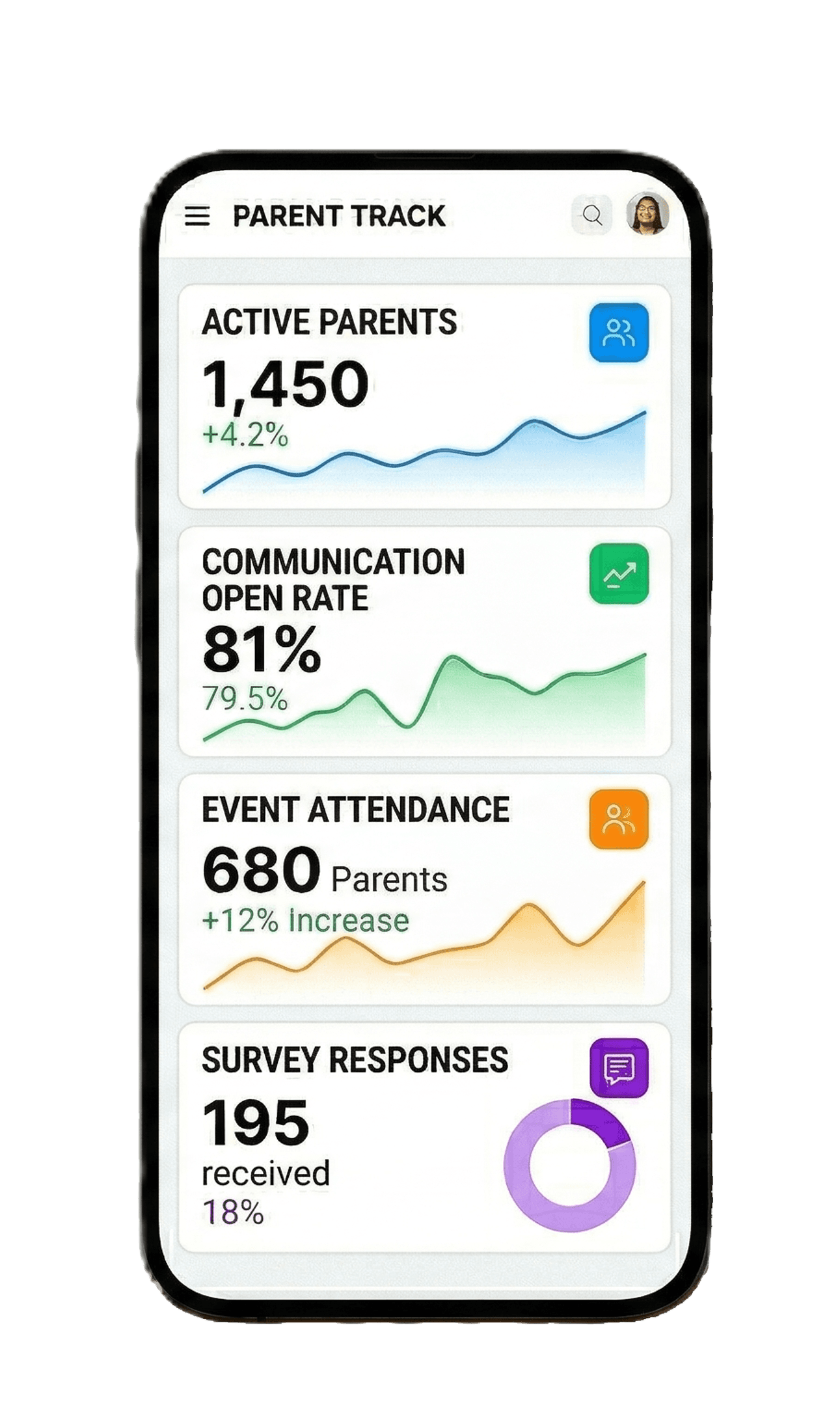
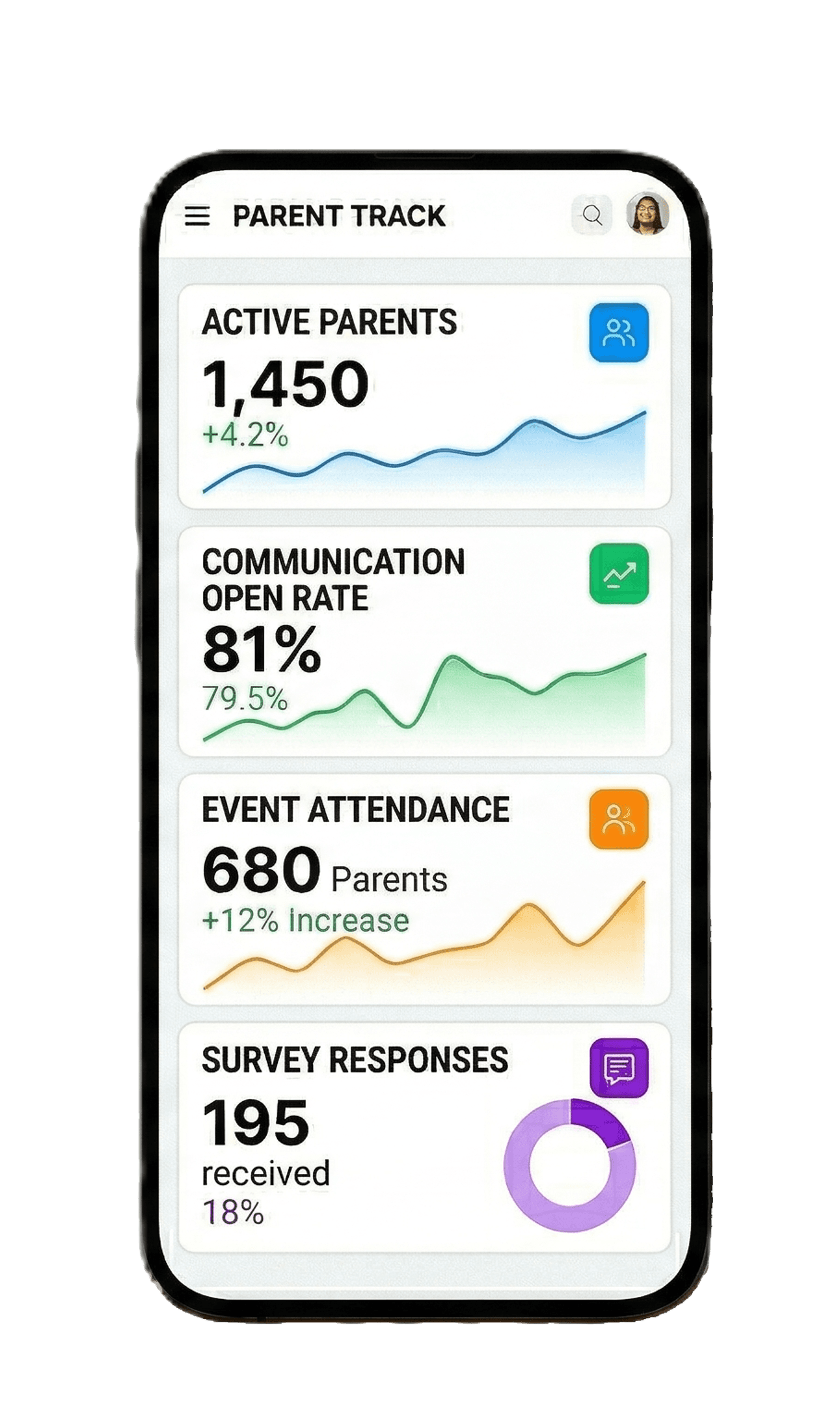
Step 6: Track and Measure Family Engagement
Tracking participation is an important part of running a successful family engagement program. By monitoring volunteer activity, schools can gain valuable insights into how families participate and which opportunities are most popular.
Tracking family engagement can help schools answer these important questions:
How many families are participating?
Which activities attract the most volunteers?
Are engagement goals being met?
Tracking also helps schools recognize families who contribute significant time and effort to the school community. Accurate reporting can also help administrators demonstrate the impact of volunteer programs to leadership, school boards, and district administration.
How Technology Can Simplify Family Engagement
Managing family engagement programs manually can be time-consuming for school staff. Spreadsheets, paper sign-in sheets, and scattered communications often create unnecessary administrative work.
Technology can help streamline these processes by providing a centralized platform for managing family engagement.
When evaluating tools, look for a platform that offers:
Communication tools
Automated reminders
Event calendar and RSVP management
Volunteer hours tracking
Engagement reporting
With the right tools in place, schools can reduce administrative workload while making it easier for families to stay engaged.
Measuring the Success of Your Family Engagement Program
Once a program is in place, schools should regularly evaluate its effectiveness.
Measuring the success of family engagement programs helps schools identify strengths, uncover challenges, and refine their strategies over time. Always refer back to your family engagement program goals when thinking of measurement and reporting. Key metrics may include total number of families participating, total volunteer hours contributed, event attendance, fundraising amounts, and more.
Schools can also gather qualitative feedback from families, staff, and community stakeholders to learn how to improve their program. Recognizing and celebrating families who get involved with the school community is also important for the success and sustainability of your program. Show families that you value them by asking for feedback, highlighting accomplishments, and offering tokens of appreciation like awards, events, and personalized outreach.
Final Thoughts on Family Engagement
Building a successful family engagement program requires thoughtful planning, clear communication, and inclusive opportunities for families to participate.
By defining program goals, creating clear guidelines, offering diverse volunteer opportunities, and tracking participation, schools can develop programs that strengthen their communities and support student success.
Family engagement is not just about increasing volunteer hours. Instead, it’s about creating meaningful partnerships between schools and families. When families feel connected and valued, they are more likely to remain involved and contribute to a positive school environment.
With the right structure and tools in place, schools can build family engagement programs that grow stronger each year and make a lasting impact on students, families, and the entire school community.
Family Engagement FAQ
What is the difference between family engagement and parent involvement?
The terms family engagement and parent involvement are often used interchangeably at schools to describe volunteer and engagement programs for parents, guardians, and extended family members. However, family engagement tends to be a more inclusive term that extends to the whole family and promotes engagement as a two-way partnership between the school and families.
Why is family engagement important for student success?
Family engagement is important because students benefit when families and schools work together. Engaged families can reinforce learning at home, encourage positive behavior, and help students stay motivated. Schools with strong family engagement programs often see improved attendance, stronger relationships between teachers and families, and a more connected school community.
How can schools promote family engagement?
Schools can promote family engagement by creating clear volunteer opportunities, communicating regularly with families, and making participation accessible for busy parents. Offering flexible volunteer options, providing an event calendar, and tracking participation can also help schools build a consistent and sustainable engagement program.